


Target Validation: Unveiling the Biological Relevance and Druggability with AxDrug’s Computational and AI Expertise
In the dynamic landscape of drug discovery, ensuring the viability and effectiveness of a potential drug target is a pivotal step. AxDrug platform, powered by cutting-edge computational and AI methods, spearheads the crucial process of target validation. Let’s delve into the intricate workings of AxDrug, focusing on machine learning models, druggability assessment, and protein modeling, all pivotal in transforming undruggable proteins into potential breakthroughs.
Machine Learning Model for Biological Relevance
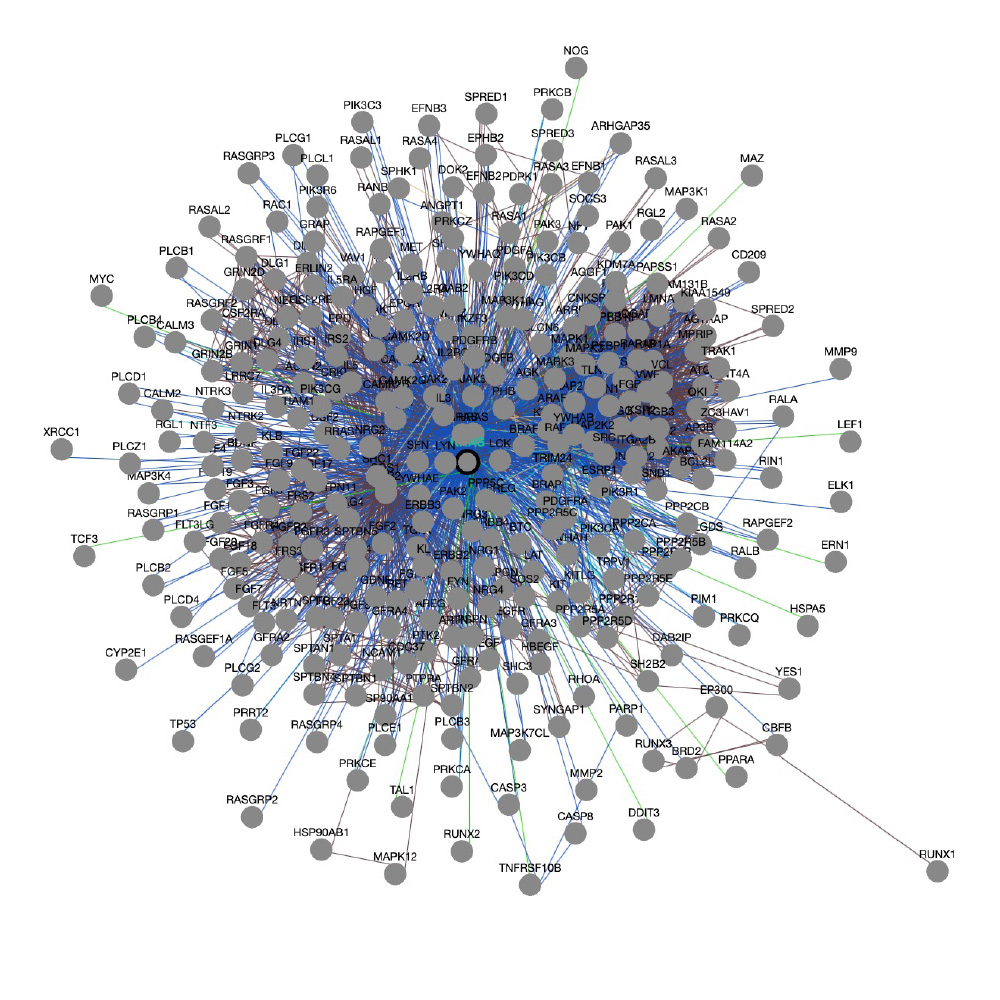
AxDrug leverages advanced machine learning models tailored for biological relevance assessment. By intricately analyzing protein-protein, protein-disease, and disease pathway interaction networks, our platform identifies hub proteins and their connections relevant to specific disease pathways. This enables the precise prediction of the disease relevance of a protein of interest, providing a solid foundation for target validation.
Druggability Prediction
The essence of druggability lies in a target’s modulability upon drug binding to alleviate a given disease condition. AxDrug‘s AI and computational methods excel in identifying druggable pockets within proteins, making it a potent ally in drug discovery.
AI Methods of Druggable Pocket Identification
Our AI models are trained on extensive datasets comprising protein structures and known binding pockets. By utilizing information from the Protein Data Bank (PDB) and protein models, these models accurately predict the location and properties of potential druggable pockets. The platform provides comprehensive scores and properties, including size, volume, accessibility, and potential interactions. This wealth of information aids in designing the most promising small molecules or peptides in the drug discovery process. Additionally, the platform identifies pocket similarities and clusters, facilitating drug repurposing endeavors.
Computational Methods in Binding Site Identification
AxDrug employs a variety of computational methods to pinpoint druggable sites:
- Deep or Shallow Pockets Identification:
Identifying pockets based on crystallographic structures or protein models. - Grid-based Method for Druggability Prediction:
Using probes to calculate structural properties and rank pockets. - Fragment-based Approach:
Utilizing blind docking of fragment probes, clustering fragments, and scoring based on interactions for fragment-based drug design. - Cryptic Pockets Identification:
Leveraging mixed solvent sampling with long Molecular Dynamics (MDS) to uncover cryptic pockets.
The synergy of AI and computational methods provides insights into pocket centrality and druggability, laying the groundwork for designing potent drug candidates.
Protein Modelling: Unraveling Protein Structures
In the realm of structure-based drug design, understanding the three-dimensional structure of a protein is paramount. AxDrug employs protein modeling, utilizing Bidirectional Encoder Representations from Transformers to generate diverse conformations based on protein crystallographic information. This approach is particularly valuable for modeling intrinsically disordered proteins (IDPs) with flexible pockets. The inclusion of ligands during refinement ensures the generation of appropriate pockets without collapse, paving the way for identifying drugs for previously deemed undruggable IDPs.
In conclusion, AxDrug‘s comprehensive approach to target validation combines machine learning, druggability assessment, and protein modeling to propel drug discovery into new frontiers. With our platform, undruggable proteins become opportunities, and potential breakthroughs are transformed into reality. Trust AxDrug for precision, innovation, and success in your journey towards groundbreaking therapeutics.